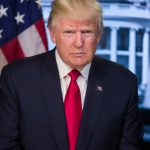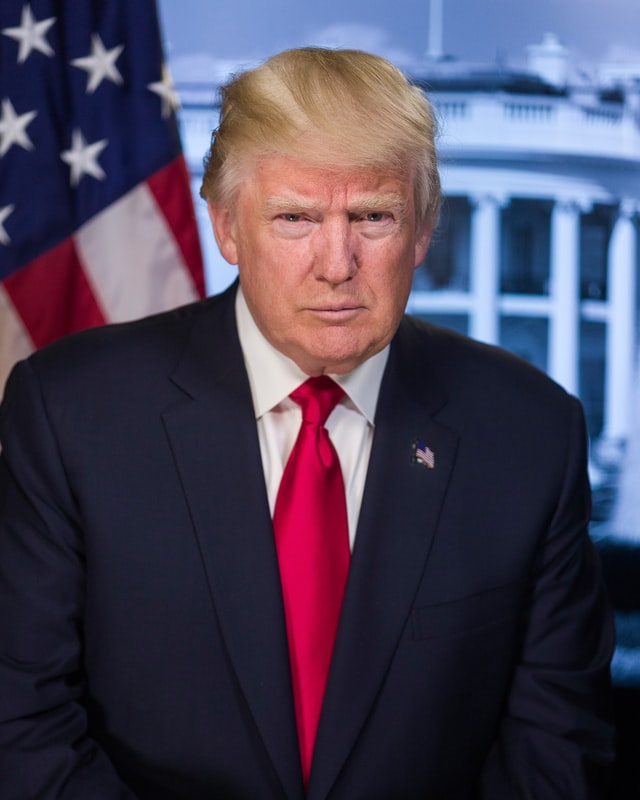
On October 9, US President Donald Trump’s administration announced new and sweeping sanctions on the International Criminal Court, underlining his repeated attempts to dismantle, overturn and undermine the international legal order that has prevailed for the past 80 years and raising further questions about its survival.
Questions addressed in a debate hosted by the AEJ UK and University College London on 29 September.
The Trump administration’s latest sanctions are aimed at restricting access to American finance and technology by preventing any transactions with the court, potentially punishing companies or groups that provide services to the court itself.
They go significantly further than previous attempts to cripple the global body that seeks to prosecute those accused of war crimes, genocide and other murderous criminal acts.
“President Trump will never allow the International Criminal Court to prosecute Americans,” Secretary of State Marco Rubio said in a statement. “That is why, today, the United States is sanctioning the International Criminal Court. We will ban transactions with this rogue court, cutting off their resources and crippling its ability to operate.”
American administrations, both Republican and Democrat, have resisted the jurisdiction of the ICC since its founding in 2002 and never ratified the treaty establishing it, although Trump has been particularly hostile to it.
The court denounced the sanctions as an “assault on the rule of law and on the very foundations of the international legal order,” and called on its 125 member states to take action to defend it.
The UK, Canada, Denmark, Germany, France, Italy, Japan, and the Netherlands released a joint statement in defence of the court on October 9.
Rubio said the sanctions had been structured to give the court and its member states an opportunity to address US concerns. They will not take effect for 6 months and exemptions would allow some transactions for telecoms, software, payment of pensions and transactions related to detainees, clearly allowing time for negotiation.
But the threat itself could constrain the ICC’s ability to carry out daily operations and would create several operational challenges for the ICC including paying staff, accessing IT services and maintaining its detention facilities. U.S, sanctions typically bar all US-based companies from any work with a sanctioned organisation, forcing banks to shut accounts, insurers to end coverage, and software companies to halt cooperation.
ICC officials have been preparing for months for the prospect of sanctions on the court itself, shifting office computers from Microsoft software to open-source equivalents and making new arrangements for banking and health insurance.
And although the Trump administration had been preparing the sanctions for months, its announcement interestingly came just hours after the Nobel Peace Prize, long sought by Trump, was awarded to an ICC judge.
Navanethem “Navi” Pillay is a South African lawyer who has served as a judge on the International Criminal Court, former United Nations Human Rights Commissioner, and leader of the UN commission into the war in Gaza that found Israel had committed genocide.
She dedicated her Nobel award to “all the survivors of international crime.”
Trump called the Nobel Peace Prize award to Pillay “disgraceful and embarrassing” and an “indelible stain on the country of Norway”.
Israeli Prime Minister Benjamin Netanyahu’s office said “the Nobel Prize committee has lost its moral compass”.
US announces sweeping sanctions on International Court of Justice – Reuters 9 October 2026
Trump hits ICC hours after Nobel Peace Prize award – New York Times 9 October 2026
New sanctions on ICC – Politico 9 October 2026
ICC judge Navi Pillay wins Nobel Peace Prize – AP 10 October 2026
Navi Pillay calls US sanctions unacceptable – BBC News 10 October 2026
Trump rants against Nobel Peace Prize award – AP 10 October 2026
What’s behind US attempt to shut down ICC – Deutsche Welle 10 October 2026
How sanctions would undermine ICC – Reuters 21 September 2026
The ICC and why Trump sanctions it – BBC News 7 February 2025
AEJ UK and UCL debate on human rights and international law – AEJ UK 30 September 2026