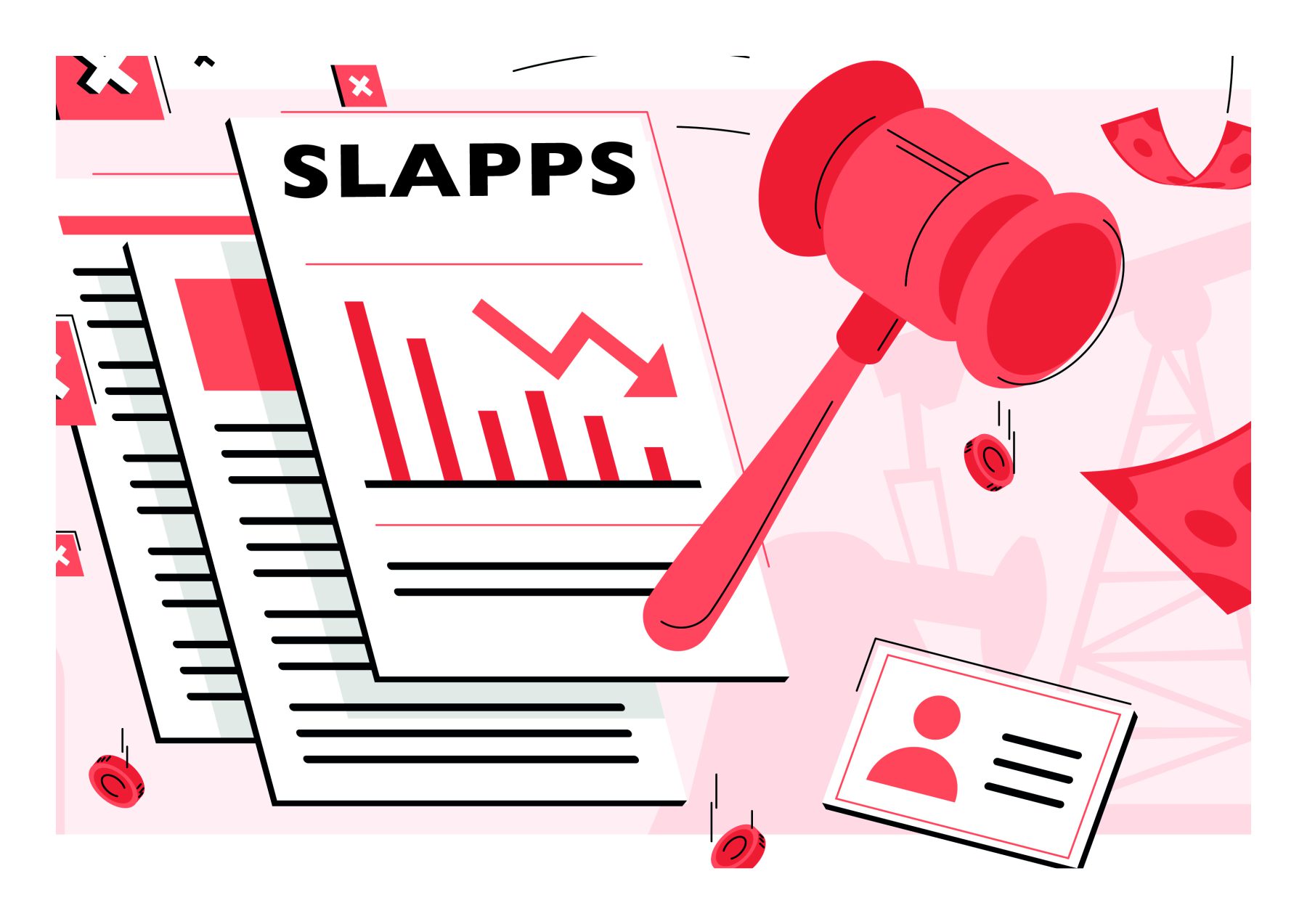
William Horsley, chair of the AEJ in the UK, has joined 120 signatories including the editors of several national newspapers, senior legal figures, and the heads of leading NGOs and professional associations, in an open letter to Prime Minister Keir Starmer on 28 January calling for the government to enact strong anti-SLAPP measures in the King’s speech this spring.
The letter notes the inclusion of anti-SLAPP measures in the 2023 Economic Crime and Corporate Transparency Act (ECCTA) was a welcome recognition of the problem, but the signatories call for universal, standalone anti-SLAPP measures to be adopted in the next parliament.
That alone, the letter says, will establish robust, accessible and universal protections against abusive legal threats and actions against journalists and others.
Text of the letter
Sent Electronically
Rt. Hon. Sir Keir Starmer KCB KC MP, Prime Minister of the United Kingdom
Rt. Hon. David Lammy MP, Lord Chancellor & Secretary of State for Justice
Rt. Hon. Lord Hermer, Attorney General
Rt. Hon. Lisa Nandy MP, Secretary of State for Culture, Media and Sport
Rt. Hon. Yvette Cooper MP, Secretary of State for Foreign, Commonwealth and Development Affairs
Rt. Hon. Sir Alan Campbell MP, Lord President of the Council and Leader of the House of Commons
Mr. Nick Timothy MP, Shadow Secretary of State for Justice
Lord Marks of Henley-on-Thames KC, Liberal Democrat Spokesperson for Justice
Rt. Hon. Stephen Flynn MP, SNP Westminster Leader
Dr. Ellie Chowns MP, Green Party Westminster Leader
Mr. Nigel Farage MP, Reform UK Leader
Ms. Sarah Rapson, Chief Executive, Solicitors Regulation Authority
Mr. Mark Neale, Director-General, The Bar Standards Board
Mr. Richard Orpin, Chief Executive, Legal Services Board
Dr. Michael O’Flaherty, Council of Europe Commissioner for Human Rights
Mr. Jan Braathu, Organization for Security and Co-operation in Europe, Representative on Freedom of the Media
Ms. Irene Khan, United Nations Special Rapporteur on the Promotion and Protection of the Right to Freedom of Opinion and Expression
28th January 2026
Dear Prime Minister,
We call on you to include universal Anti-SLAPP provisions in the 2026 King’s Speech
We, the undersigned, representing a wide cross section of society – from the legal, media, environmental, anti-corruption, human rights, publishing, and not-for-profit sectors – join the UK Anti-SLAPP Coalition in calling for the inclusion of universal anti-SLAPP provisions in the next King’s Speech anticipated in May 2026. This will ensure those targeted for speaking out in the public interest are able to access justice without being forced out of court by abusive
lawsuits, often described as Strategic Lawsuits Against Public Participation, or SLAPPs. Without concerted action, everyone who speaks out – whether to protest the actions of a powerful company, ask questions of someone of influence or speak out on issues important to themselves or their community, will remain vulnerable to costly, stressful and unpredictable legal action.
In the five years since the Coalition was founded, in January 2021, SLAPPs have been documented against journalists, tax transparency experts, online reviewers, patients, environmental campaigners, local residents, sexual violence survivors, whistleblowers, academics, tenants, victims groups and advocates, and social media users, to name a few. In
these cases, wealthy and powerful claimants have misused the British justice system and the costs associated with participating in pre-trial and court proceedings to stifle protected speech and public participation. This is a society-wide issue that requires a society-wide remedy.
While the inclusion of anti-SLAPP measures in the 2023 Economic Crime and Corporate Transparency Act (ECCTA) was a welcome and official recognition of the problem, the provisions are both limited in scope and flawed in approach. Many of us who have signed this letter know firsthand the impact of being subject to abusive legal threats and would agree with your description of them as “intolerable”. We were further heartened to hear the commitment made by Deputy Prime Minister and Lord Chancellor, David Lammy last December to stop ”the powerful from using abusive lawsuits – so-called ‘Slapps’ – to intimidate reporters, silence investigations, and bury the truth under a mountain of legal threats. Because sunlight is always the best disinfectant.”
We agree. Now is the time to turn rhetoric into action. By bringing forward universal anti-SLAPP measures in the next King’s Speech, Parliament will finally be given the opportunity to establish robust, accessible and universal protections against abusive legal threats and actions.
It is important that the justice system works for everyone. SLAPPs actively prevent a level playing field between those with deep pockets and those for whom affording to mount a defence can draw vital funds away from their families and businesses. The financial inequality so frequently at the heart of SLAPPs can force targets to choose between realising their fundamental rights and economic security. This must end. It is the Government’s duty to protect us from this system being weaponised against free expression and everyone’s ability to participate fully in society. However, without an effective early dismissal mechanism, an objective test for filtering SLAPPs out of court, and the ability to minimise costs and penalise bad conduct, courts and judges do not have the tools or guidance they need. At a time of unprecedented pressure on our judicial system, court resources should not be wasted on SLAPPs, which are by definition an abuse of the court process.
We appreciate the large list of bills being put forward for the King’s Speech represent important and urgent issues. However, it is our belief, informed by testimony from those who have been targeted for realising their rights protected by UK law, that democracy cannot be sustained without everyone being able to express themselves, challenge wrongdoing, or inform others.
Yours sincerely,
Editorial and media senior management
John Witherow, Chairman, Times Media Ltd
Katharine Viner, Editor-in-Chief, The Guardian
Chris Evans, Editor, The Telegraph
Allister Heath, Editor, Sunday Telegraph
Roula Khalaf, Editor, The Financial Times
Geordie Greig, Editor-in-Chief, The Independent
Oliver Duff, Editor-in-Chief, The i Paper
Alessandra Galloni, Editor-in-Chief, Reuters News
John Micklethwait, Editor-in-Chief, Bloomberg
David Higgerson, Chief Content Officer, Reach PLC
Zanny Minton Beddoes, Editor-in-Chief, The Economist
Philip Collins, Editor, Prospect Magazine
Jemimah Steinfeld, CEO, Index on Censorship
Franz Wild, CEO and Editor-in-Chief, The Bureau of Investigative Journalism (TBIJ)
Chrissie Giles, Deputy Editor, The Bureau of Investigative Journalism (TBIJ)
Katie Mark, Deputy Editor, The Bureau of Investigative Journalism (TBIJ)
Joshi Herrmann, Founder and Editor, Mill Media
Calum Grewar, Local Editor, The Glasgow Bell & Mill Media
Dan Hayes, Founder, The Tribune
Abi Whistance, Editor, The Post
Leigh Baldwin, Editor-in-chief, SourceMaterial
Carole Cadwalladr, Investigative journalist and co-founder of The Nerve
Clare Rewcastle Brown, Investigative journalist and founder, The Sarawak Report
Peter Geoghegan, Author, journalist and founder of Democracy for Sale
Paul Radu, Co-Founder and Chief of Innovation, Organised Crime and Corruption Reporting
Project (OCCRP)
Drew Sullivan, Co-Founder and Publisher, Organised Crime and Corruption Reporting
Project (OCCRP)
Gerard Ryle, Executive Director and President, International Consortium of Investigative
Journalists
Paul Lewis, Head of Investigations, The Guardian
Juliette Garside, European Financial Affairs Editor, the Guardian
Isabel Hilton, Co-Chair Board, The Bureau of Investigative Journalism (TBIJ)
Richard Sambrook, Co-Chair Board, The Bureau of Investigative Journalism (TBIJ)
Eleanor Rose, Enablers Editor, The Bureau of Investigative Journalism (TBIJ)
Lawyers and other legal professionals
Nicki Schroeder, Group General Counsel, Reach PLC
Pia Sarma, Editorial Legal Director, Times Newspapers Ltd
David E. McCraw, Senior Vice President & Deputy General Counsel, The New York Times Company
Jason P. Conti, General Counsel, EVP, Dow Jones & Company, Inc.
Sayra Tekin, General Counsel, News Media Association
Gavin Millar KC, Barrister, Matrix Chambers
Marc Willers KC, Barrister, Garden Court Chambers
Keio Yoshida, Barrister, Doughty Street Chambers
Rupert Cowper-Coles, Head of Media, Reynolds Porter Chamberlain (RPC) LLP
Samantha Thompson, Senior Associate, RPC LLP
Alex Littlewood, Senior Associate, RPC LLP
Caroline Kean, Solicitor, independent media consultant
Matthew Dando, Partner, Wiggin LLP
Adelaide Scardino Lopez, Senior Associate, Wiggin LLP
Matthew Jury, Managing Partner, McCue Jury and Partners
Ian Rosenblatt OBE, Founder & Senior Partner, Rosenblatt Law
Matthew Gill, Defamation Solicitor, Good Law Project
Gillian Phillips, Freelance editorial content lawyer
David S. Korzenik, Partner, Miller Korzenik Rayman LLP
Laura R. Handman, Partner, Davis Wright Tremaine LLP
Laura Lee Prather, Partner, Haynes Boone
Journalists and writers
Catherine Belton MBE, Author of Putin’s People and Russia reporter, Washington Post
Alan Rusbridger, Journalist, former Editor of The Guardian and Prospect Magazine
Edward Lucas, Author, European and transatlantic security consultant and fellow at the Center for European Policy Analysis (CEPA)
Tom Burgis, Investigative reporter, The Guardian and author of Kleptopia: How Dirty Money is Conquering the World
Eliot Higgins, Open source investigator and SLAPP target
Paul Caruana Galizia, Investigative reporter, Financial Times
George Greenwood, Investigations reporter, The Times
Sean O’Neill, Senior Writer, The Times
Cat Neilan, Whitehall Editor of The Observer
Tom Bergin, Author and Reuters investigative journalist
Jenna Corderoy, Investigative reporter, Democracy for Sale
Thomas Rowley, Investigative journalist
Matei Rosca, Investigative journalist and owner of the website reporter.london.
Jack Adamović Davies, Investigative journalist
Simon Lock, Enablers Senior Reporter, The Bureau of Investigative Journalism (TBIJ)
Lucy Nash, Enablers Senior Impact Producer, The Bureau of Investigative Journalism (TBIJ)
Academics
Dr. Peter Coe, Associate Professor in Law, Birmingham Law School, University of Birmingham
Rebecca Moosavian, Associate Professor, School of Law, University of Leeds
Richard Moorhead, Professor of Law and Ethics, University of Exeter, Professor of Law, Monash University and Honorary Professor, UCL Faculty of Laws, London
John Heathershaw, Professor of International Relations, University of Exeter
Thomas Mayne, Research Fellow, DPIR, University of Oxford
Tena Prelec, Lecturer, University of Rijeka, and Honorary Research Fellow, University of Exeter
Laura T. Murphy, Professor of Human Rights and Contemporary Slavery, Sheffield Hallam University
Robert Barrington, Professor of Anti-Corruption Practice, Centre for the Study of Corruption, University of Sussex
Dr. Claire Elder, Lecturer (Assistant Professor) in International Relations, School of Social and Political Sciences, The University of Melbourne
Dr. Francesca Farrington, Lecturer, School of Law and Social Justice, University of Liverpool
Professor Jackie Harrison, Centre for Freedom of the Media, University of Sheffield
Dr. Gemma Horton, Impact Fellow for Centre for Freedom of the Media, University of Sheffield
Associations, foundations and media support organisations
Laura Davison, General Secretary, National Union of Journalists (NUJ)
Dawn Alford, Chief Executive, Society of Editors
Owen Meredith, Chief Executive, News Media Association
Emilia Díaz-Struck, Executive Director, Global Investigative Journalism Network (GIJN)
Jodie Ginsberg, Chief Executive Officer, Committee to Protect Journalists (CPJ)
William Horsley, UK Chairman, Association of European Journalists
Felicity Garvey, UK Advocacy Officer, Reporters Without Borders
Sarah Baxter, Director, Marie Colvin Center for International Reporting
Romana Cacchioli, Executive Director, PEN International
Daniel Gorman, Director, English PEN
Dominic Williams, Chair, Wales PEN Cymru
Menna Elfyn, President, Wales PEN Cymru
Ricky Monahan Brown, President, Scottish PEN
Flutura Kusari, Legal Advisor, European Centre for Press and Media Freedom (ECPMF)
Vafa Fati-Zade, Trustee, Justice for Journalists Foundation
Publishers and publishing associations
Dan Conway, CEO, Publishers Association
José Borghino, Secretary General, International Publishers Association
Joanna Prior, CEO, Pan Macmillan
Arabella Pike, Publisher, William Collins
Civil society organisations and representatives
Sir William Browder KCMG, Head, Global Magnitsky Justice Campaign
Matthew Caruana Galizia, Director, Daphne Caruana Galizia Foundation
Dan Neidle, Founder, Tax Policy Associates
Daniel Bruce, Chief Executive, Transparency International (UK)
Areeba Hamid, Co-Executive Director, Greenpeace UK
Will McCallum, Co-Executive Director, Greenpeace UK
Harriet Wistrich, CEO, Centre for Women’s Justice
Verity Nevitt, Co-Founder, The Gemini Project
Dame Audrey Glover DBE CMG, Chair of Trustees, Foreign Policy Centre
Sir Trevor Phillips, Chair of Trustees, Index on Censorship
Helen Mountfield KC, Trustee, Index on Censorship
Sybille Raphael, Joint Chief Executive, Protect
Helen Taylor, Deputy Director, Spotlight on Corruption
Nina Cresswell, Writer and SLAPP target
Andrew Burgess, SLAPP target and campaigner
James Nixey, Senior Fellow, Conflict Studies Research Centre, and former Director, Russia and Eurasia Programme, Chatham House
Zelda Perkins CBE, Founder, Can’t Buy My Silence UK
Dr. Gavin Hayman, Executive Director, Open Contracting Partnership & Co-Chair, UK Anti-Corruption Coalition
Kevin Keith, Chair, UK Open Government Network
Nicholas Hildyard, Co-Director, The Corner House
Alex Prezanti, Co-Executive Director, State Capture Accountability Project
Emily Patterson, Co-Executive Director, State Capture Accountability Project
Mia Paukovic, Senior Coalition Manager, UK Anti-Corruption Coalition
George Freeman, Executive Director, Media Law Resource Center
Carole Ewart, Director, Campaign for Freedom of Information in Scotland (CFoIS)
Gabriel Šípoš, Senior Legal Manager, International Lawyers Project
Anna Myers, Executive Director, Whistleblowing International Network