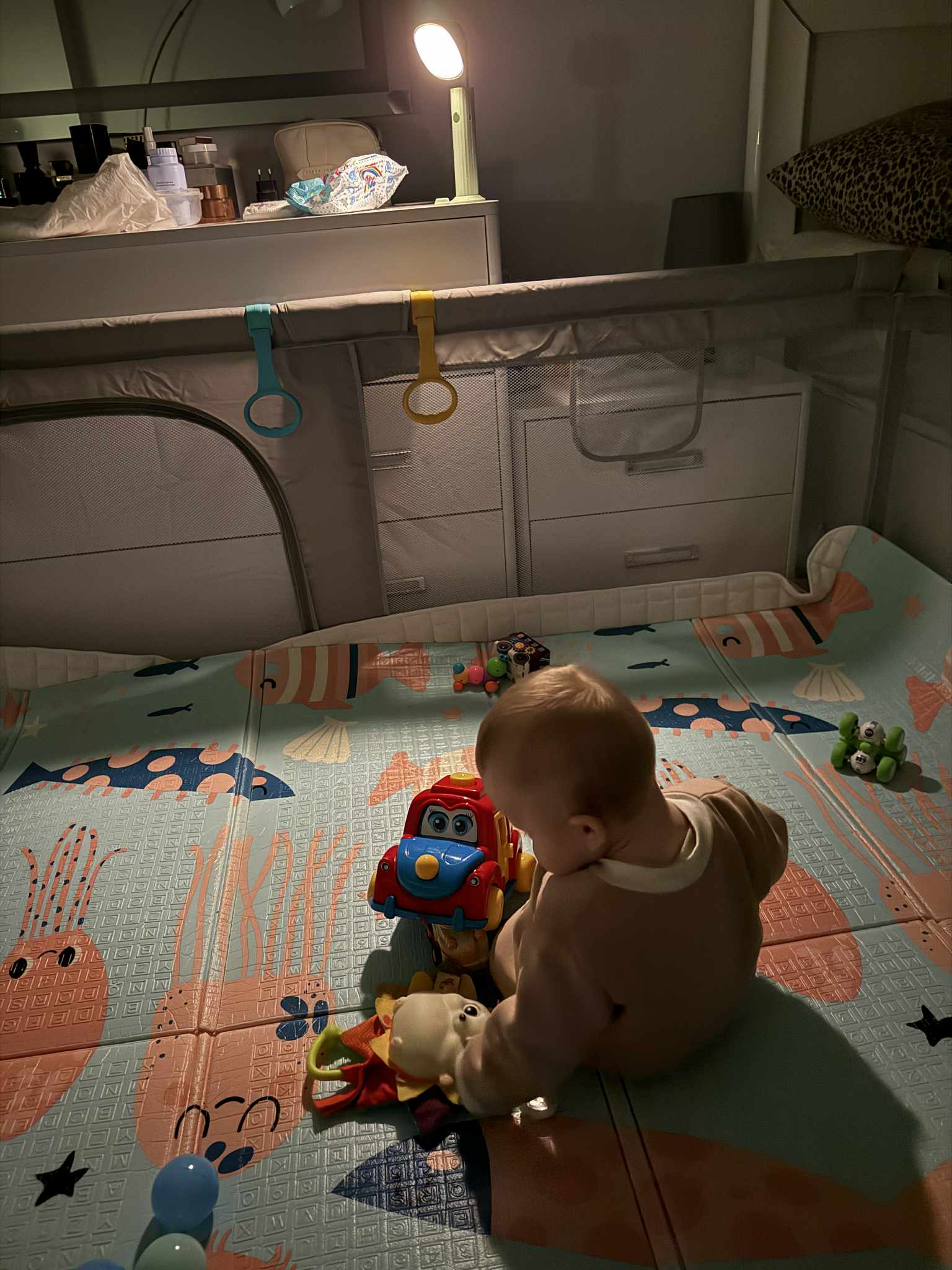
Russia has continued its relentless missile and drone attacks on Ukraine, particularly its infrastructure, despite telling U.S. President Donald Trump it wants peace.
We have this personal report on the last few days in Kyiv from Kateryna Popova, returned to her native Ukraine after completing an MA in War Studies in London where she joined meetings of the AEJ UK.
Blackout. A Letter from Kyiv
14 January, Kyiv
My apartment building has been without electricity for 42 hours, and I only got it back early morning on January 14. It is an old “Khrushchovka” building, and the only thing saving me from freezing is that we still have a gas supply in my area.
( “Khrushchovka” is a typical Soviet apartment from the 1953-1964 period when Nikita Khrushchev was in charge of the Communist Party. He initiated a construction project aimed at providing cheap housing for millions of workers. Most of these buildings are still in use, and still mocked for their small size.)
Some Kyiv districts went black and cold three days ago, and it is not looking good. Vitalii Klychko, the Kyiv mayor, asked affected citizens to leave the city and seek warmth in the neighbouring villages and towns. Another pressing issue is the weather; it is minus 12°C outside with heavy snow and ice.
The drastic loss of electricity and heating started after another massive strike on January 9, early Friday, Russia’s favourite schedule. The first outages lasted 12-16 hours, and then the situation worsened due to weather conditions and increased energy consumption.
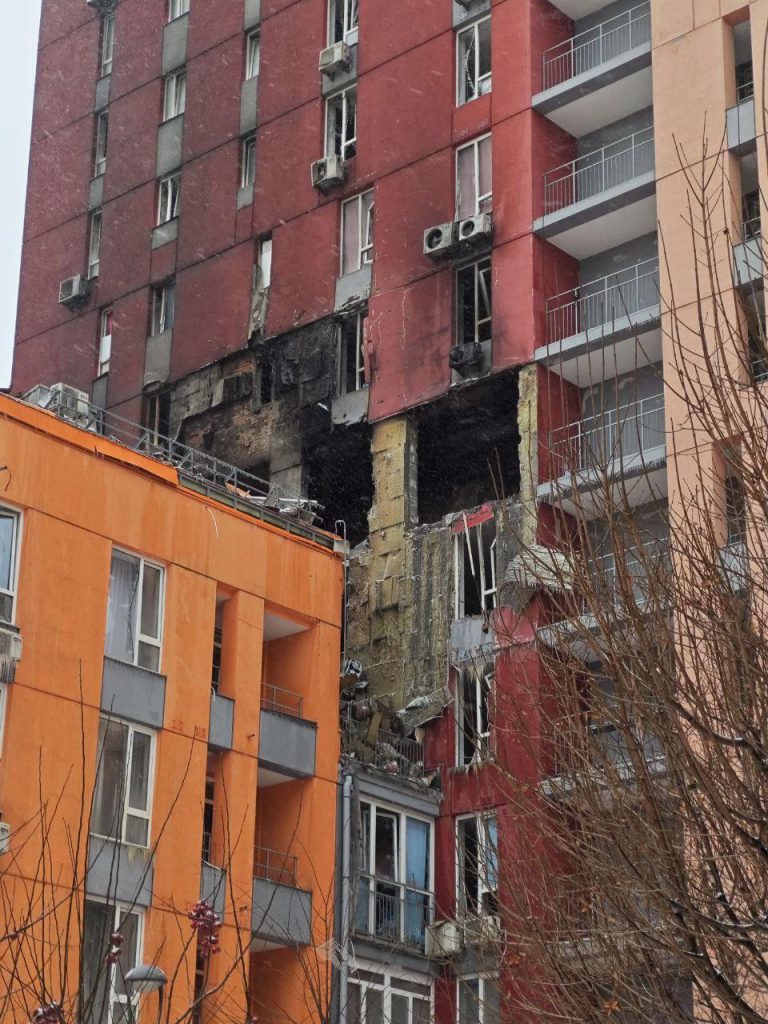
The energy sector has been adapting to the attacks since 2022, and normally they restore the electricity quite promptly, in 1-4 days. (Given the scale of damage, 1-4 days is considered quite good in the context of the ongoing war.)
In 2022, Russia only managed to black Kyiv out because the Ukrainian system and workforce were not prepared for these kinds of attacks on a conceptual level. However, this time, Russians deliberately tried to isolate Kyiv from the right-bank generation facilities on the western bank of the Dnipro river that divides Kyiv.
Ukraine Facility Platform experts comment that the issue is in Ukraine’s centralised system. Smaller areas are not capable of generating their own electricity and heating, and rely on larger generation sites (risks for the 2025-26 heating season). In this way, the Russians can target both the generation and the supply routes, cutting off citizens from the centralised power source. There is also an issue of the scale and cumulative effect. Most critical infrastructure sites have been targeted multiple times, and spare parts supplies are scarce.
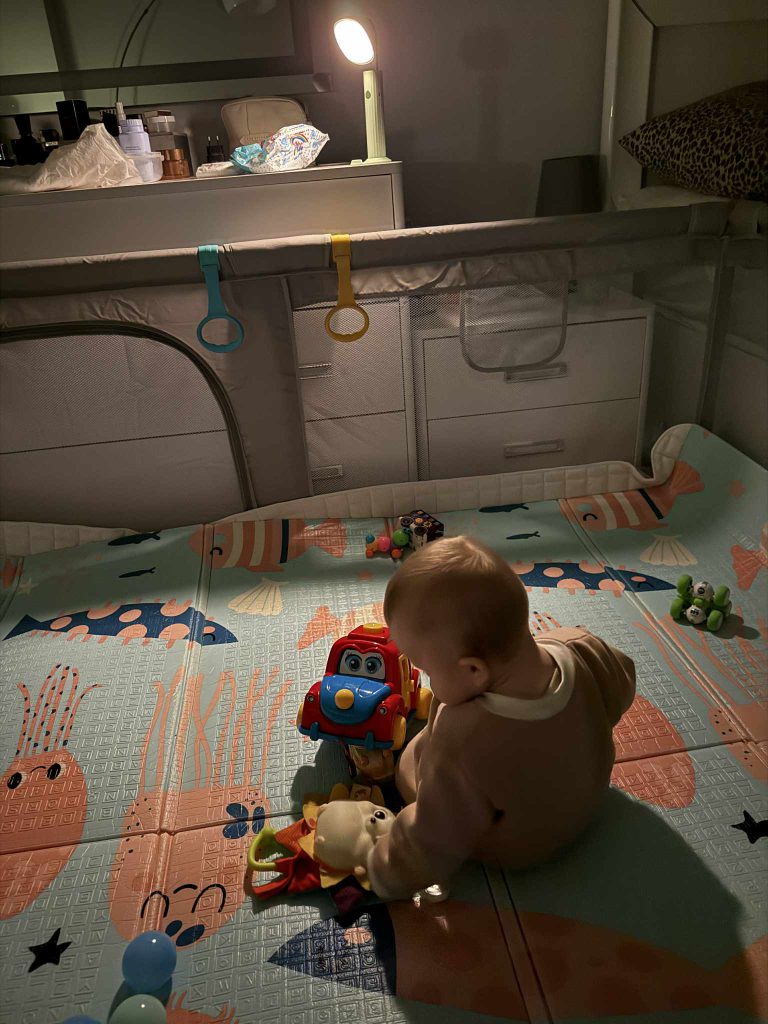
Photo courtesy of the child’s mother, Alena Dalskaya-Latosiewicz
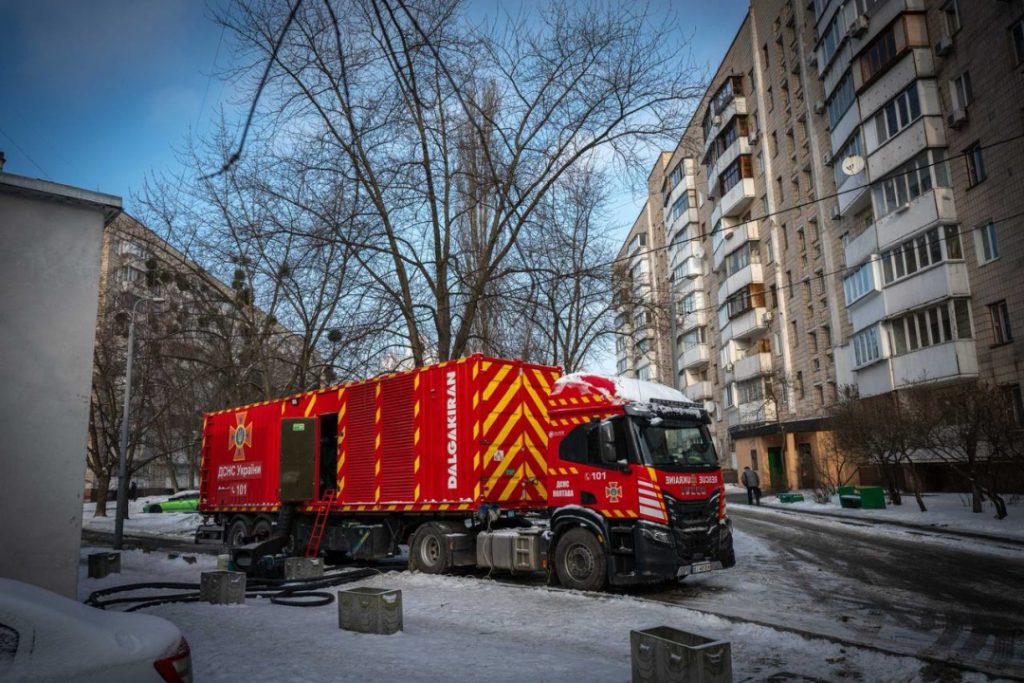
At the moment, there are 472 large apartment buildings in Kyiv remaining without heating. The situation is critical, and some people have started moving out of Kyiv. The system of traditional horizontal connections also works well. Yesterday, I posted a social media update that my building has been without electricity for more than 12 hours, and I have received offers to come and recharge my gadgets from people I barely know, including a competitor firm.
Now, there is a question of why this is happening at all. Obviously, Russia does not care about the people of the country it claims it wants “to rescue”, but there are some interesting layers. The attacks on the grid and heat generation are not just acts of cruelty; these are messages. Russia’s information confrontation doctrine (ICD) is often understood as something concerned with propaganda and cyber operations, while the Kremlin also utilises kinetic actions to convey and distribute targeted messages (as interpreted by IISS, RAND, RUSI, NATO Stratcom Center and other organisations). The act of violence is always symbolic as it is capable of creating larger discourses of its own.
The power outage in Ukraine is meant to symbolise the might of the Kremlin, which is capable of doing operations of this scale. And Putin’s recent statement perfectly sums it up: “If Europe starts a war, we are ready”. The message is addressed to multiple audiences – to threaten Europe, the U.S., and even Ukraine, because the might in Russia’s understanding is something that can stop resistance through fear of the impending doom. The physical threat, such as freezing people to death, is a legacy technology of the Soviet Union. Conceptually, the same as the devastating famine it imposed on Ukraine in 1932-1933. The famine is known as the Holodomor, organised by Stalin to make farmers comply with the communist order, through starvation.
In the context of invasion, the “Russian achievements” can also be read as destabilising Europe, causing migration of 10 million Ukrainians, crippling the electricity system (Ukraine has a technologically advanced system with nuclear plants), and making 3.5 million citizens of a large European city (Kyiv) suffer from cold in 2026. Russia views the information landscape as a permanent battlefield. And in their understanding, Ukraine’s role is not just to succumb to the aggressor, but to be an example of what happens to others. In the context of peace talks, it looks like an argument that Russia uses to leverage its position in the negotiations before Trump makes any move to give future security commitments to Europe.
I have managed to keep my previous letters connected to Ukraine’s traditional beauty, and I feel sorry I had to focus on Russia’s doctrine of misery in this one. The baseline of Stratcom theory is that, since the war can be viewed as a semiotic and symbolic act, it can be won as such.
While I was working on this text, I spoke with people from various industries to gather stories and examples. One of my contacts promised to send me a story from a pregnant woman who was about to give birth at one of the Kyiv hospitals. The power outage affected maternity centres as well.
After a couple of hours, she wrote back to me.
“There is no story. They use generators and maternity houses have both power and heating”.
Thank God, I thought. Thankfully, there is no story.
Kateryna Popova
Managing Director PLEON Talan (Kyiv)
MA Strategic Communications (War Studies) King’s College London
Kyiv homes without heat – 13 January, 2026
Ukraine Facility Platform (UAFP) Analysis: Risks of the heating season 2025–2026
Restoring Ukraine’s energy infrastructure
Russia’s information confrontation doctrine – International Institute for Strategic Studies (IISS) 16 June 2025
Putin vows no more wars if the West treats Russia with respect – BBC 19 December 2025